
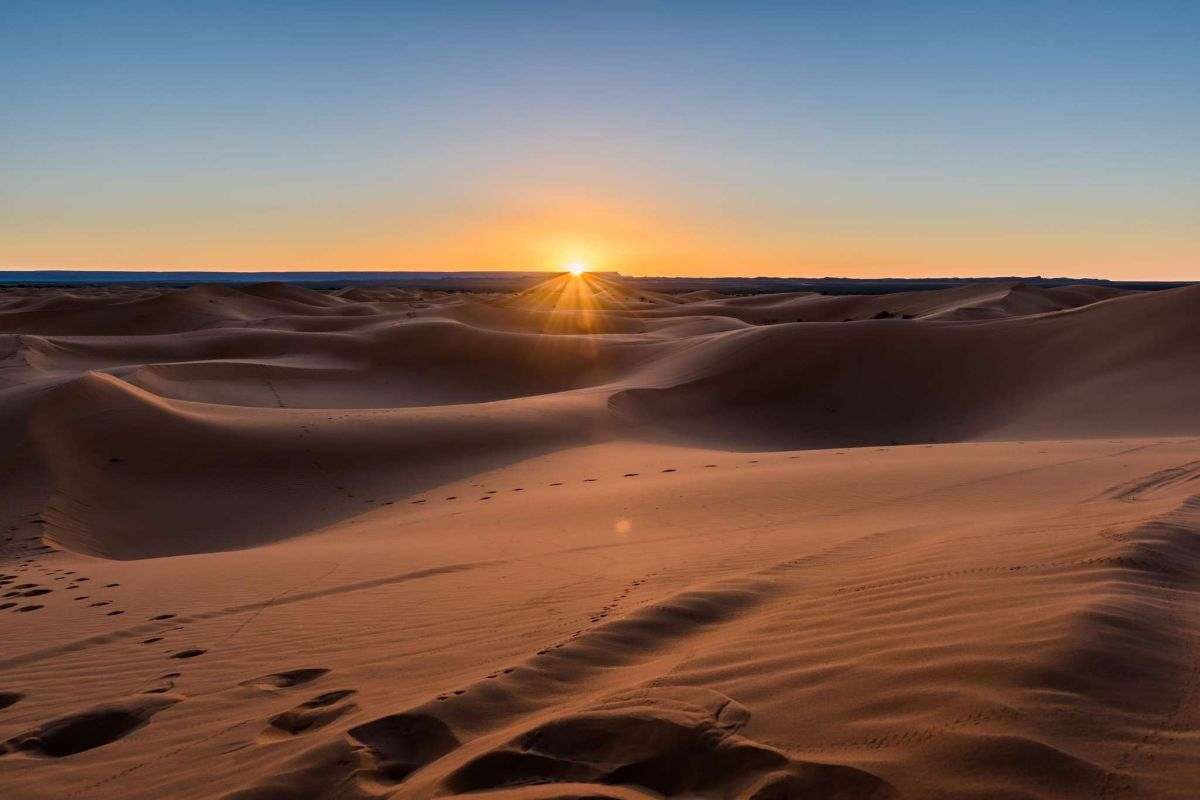
The Moroccan desert is one of the most breathtaking and mysterious regions in North Africa, offering travelers a rare blend of dramatic landscapes, ancient culture, and unforgettable silence. Stretching from rocky plateaus to vast seas of sand, Morocco’s desert regions reveal a side of the country that feels timeless and deeply connected to nature. For many visitors, a journey into the desert is not just a trip—it is a transformative experience.
From towering dunes and remote oases to nomadic traditions and star-filled skies, the desert offers a striking contrast to Morocco’s busy cities. Whether you are seeking adventure, cultural immersion, or peaceful escape, the desert delivers experiences found nowhere else. Exploring the best places to visit in the Moroccan desert allows travelers to witness the raw beauty and spiritual depth of the Sahara.
Understanding the Moroccan Desert Landscape
The desert regions of Morocco are incredibly diverse, extending far beyond endless sand dunes. While the Sahara is the most famous, the Moroccan desert also includes rocky deserts, dry riverbeds, palm-filled oases, and rugged mountain backdrops. This diversity creates a rich tapestry of landscapes that change dramatically from one region to another.
Much of the desert lies in southeastern Morocco, where ancient caravan routes once connected sub-Saharan Africa to imperial cities in the north. Today, these routes guide travelers through remote villages, kasbahs, and dramatic scenery. Experiencing the Sahara Desert Morocco is as much about understanding its geography as it is about connecting with its culture and history.
Merzouga Desert: Gateway to the Sahara
The Merzouga Desert is the most famous and accessible desert destination in Morocco. Located near the Algerian border, Merzouga sits at the edge of the majestic Erg Chebbi dunes—towering waves of golden sand that rise up to 150 meters high. These dunes are among the most iconic sights in the Sahara and draw travelers from around the world.
Merzouga is ideal for first-time desert visitors. It offers well-organized camel treks, luxury and traditional desert camps, and breathtaking sunrise and sunset views. Spending a night in the dunes allows visitors to experience the desert’s silence, broken only by the wind and distant sounds of nature. Under a sky filled with stars, Merzouga offers one of the most memorable desert experiences in Morocco.
Erg Chebbi: Morocco’s Most Iconic Sand Dunes
Erg Chebbi is often considered the heart of the Moroccan Sahara. These massive dunes stretch for nearly 30 kilometers, creating a surreal landscape of shifting sand and light. As the sun moves across the sky, the dunes change color—from soft gold to deep orange and fiery red—offering photographers endless inspiration.
Beyond its visual beauty, Erg Chebbi is deeply tied to local Berber culture. Many families in the area have lived near the dunes for generations, preserving traditions, music, and hospitality. Visiting Erg Chebbi is not just about seeing sand dunes; it is about experiencing life shaped by the desert environment and understanding its cultural significance.
Zagora Desert: The Beginning of the Sahara
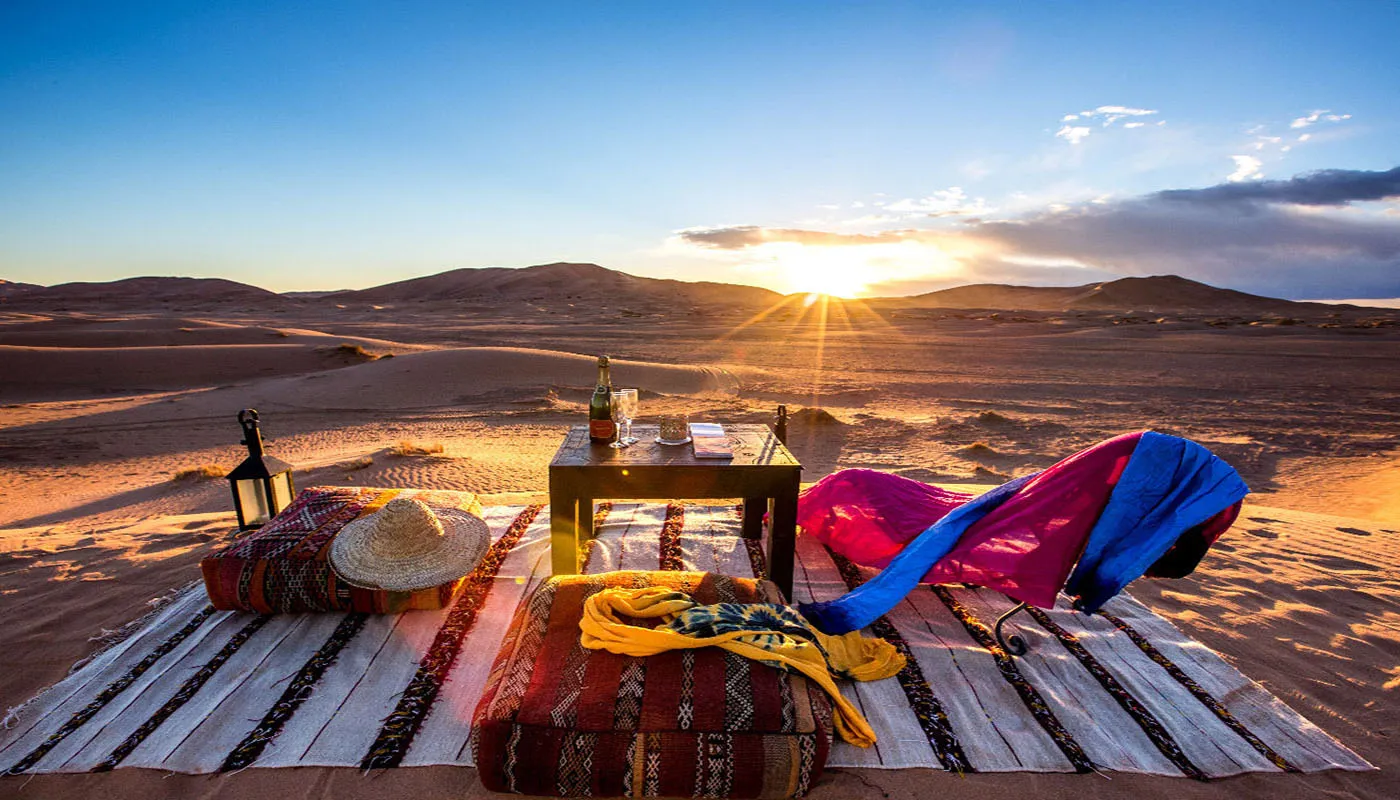
The Zagora Desert is often described as the “gateway to the Sahara,” marked by the famous sign reading “Tombouctou 52 Days.” Historically, Zagora was a key stop on trans-Saharan trade routes, and its desert landscape reflects this long history of movement and exchange.
While Zagora’s dunes are smaller than those of Erg Chebbi, the region offers a quieter and more intimate desert experience. It is ideal for travelers with limited time who still want to enjoy camel trekking, desert sunsets, and traditional camps. The Zagora region also features palm groves, kasbahs, and ancient villages that provide insight into desert life beyond the dunes.
Erg Chigaga: Wild and Untouched Desert Beauty
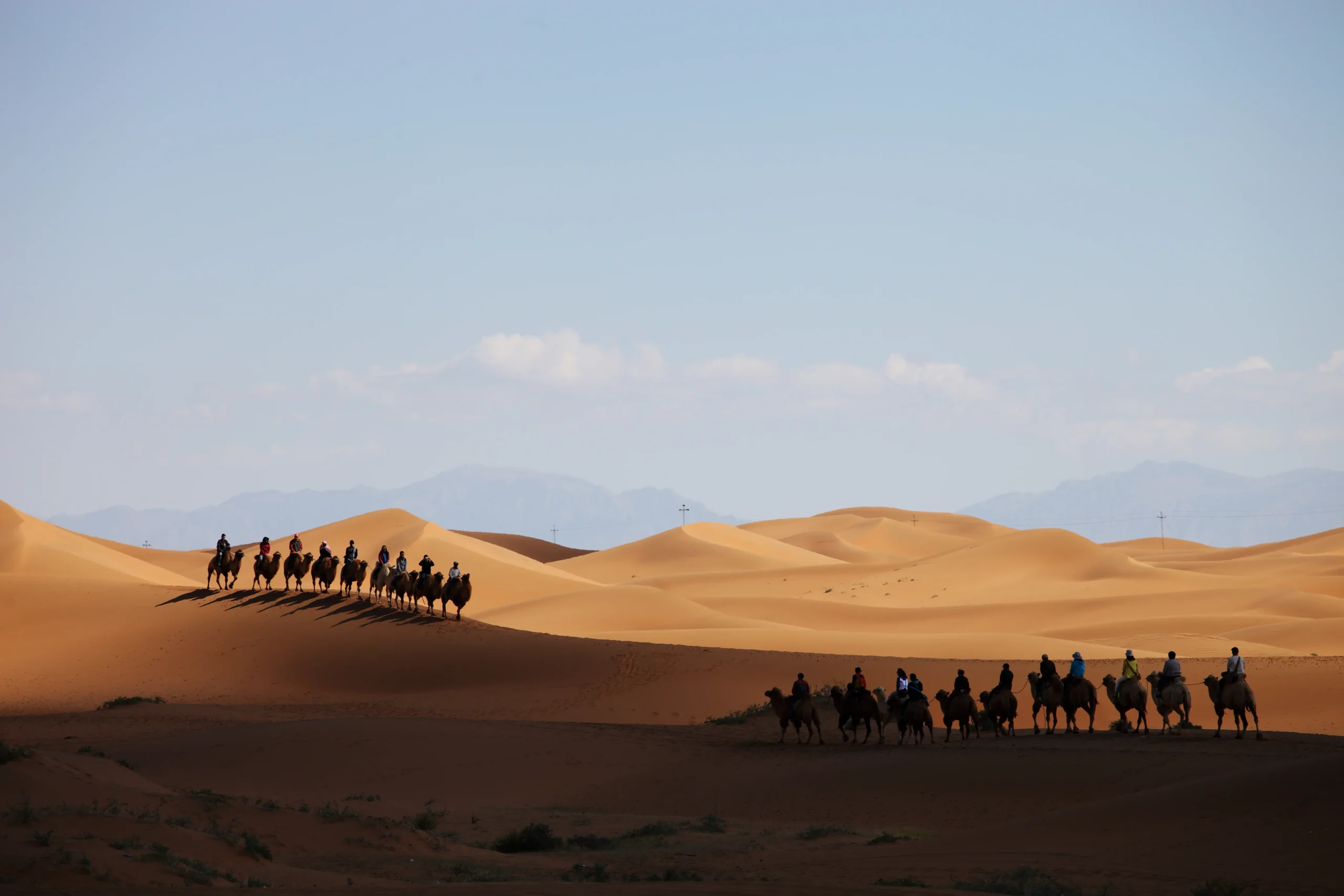
For travelers seeking adventure and solitude, Erg Chigaga offers one of the most remote and untouched desert experiences in Morocco. Located deep in the Sahara near the Algerian border, Erg Chigaga’s dunes stretch endlessly, far from paved roads and tourist crowds.
Reaching Erg Chigaga requires a 4×4 journey across dry lake beds and rocky terrain, adding to its sense of adventure. The reward is a raw, powerful desert landscape that feels truly wild. Nights here are exceptionally quiet, with clear skies perfect for stargazing. Erg Chigaga is ideal for travelers who want to experience the Moroccan desert in its purest form.
M’Hamid El Ghizlane: Where the Road Ends
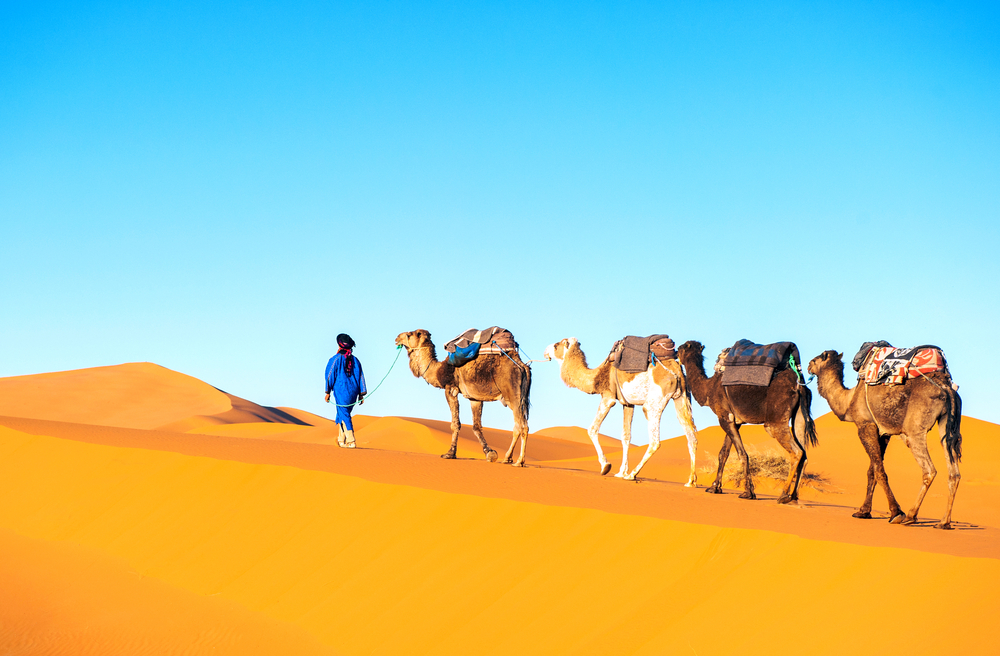
M’Hamid El Ghizlane is often considered the last village before the vast Sahara begins. Once a major trading hub, it now serves as a starting point for journeys into Erg Chigaga and surrounding desert regions. The village retains a strong sense of tradition, with mud-brick architecture and deep-rooted desert customs.
Visiting M’Hamid offers travelers a chance to experience authentic desert life. Local guides, many from nomadic families, share stories of desert survival, music, and culture. From here, camel caravans and off-road expeditions venture deep into the dunes, making M’Hamid a meaningful stop for cultural and desert exploration.
Chegaga vs. Chebbi: Which Desert Is Right for You?
Choosing between Erg Chebbi and Erg Chigaga depends on the type of experience you seek. Erg Chebbi is more accessible and offers a wide range of accommodations, making it suitable for most travelers. Its towering dunes and well-developed infrastructure provide comfort without sacrificing beauty.
Erg Chigaga, on the other hand, is for those craving remoteness and adventure. Fewer visitors, longer journeys, and minimal facilities create a more immersive desert experience. Both destinations showcase the beauty of the Moroccan desert, but each offers a distinct atmosphere and level of isolation.
Desert Camps: Sleeping Under the Stars
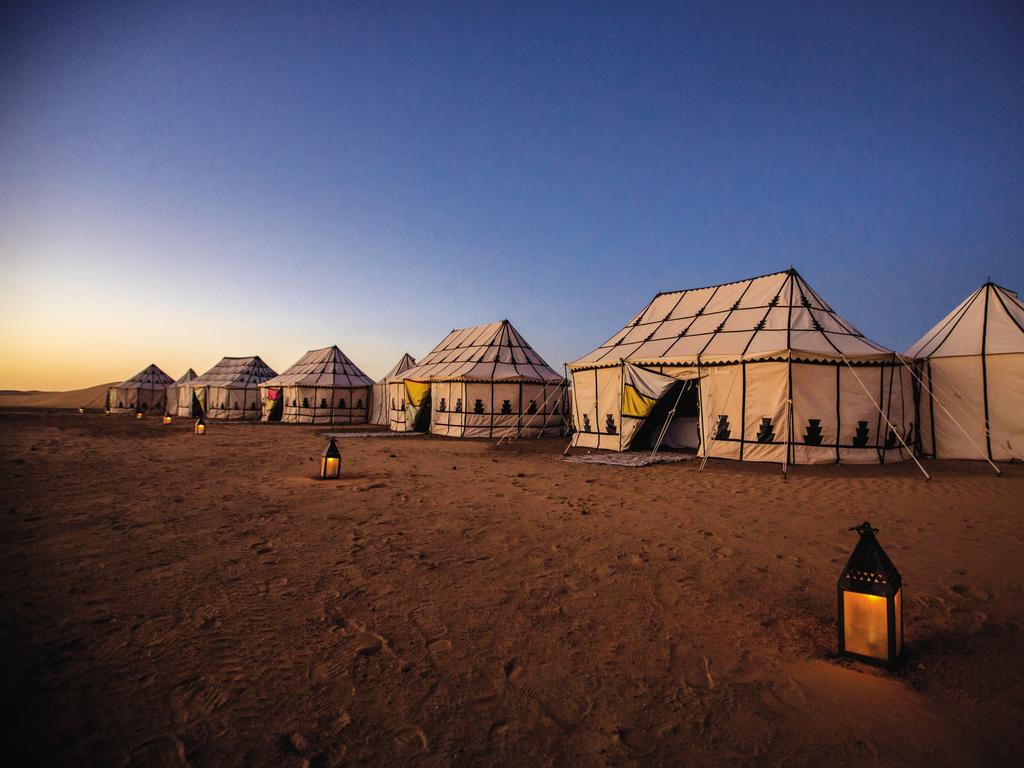
One of the highlights of visiting the Moroccan desert is spending the night in a desert camp. These camps range from simple nomadic-style tents to luxury setups with private bathrooms and traditional décor. Regardless of comfort level, sleeping in the desert offers a profound connection to nature.
As night falls, temperatures cool, fires are lit, and traditional Berber music fills the air. Guests gather to share meals, stories, and laughter beneath a vast sky of stars. Waking up to sunrise over the dunes is a moment many travelers describe as life-changing, making desert camps an essential part of the experience.
Camel Trekking: A Timeless Desert Tradition
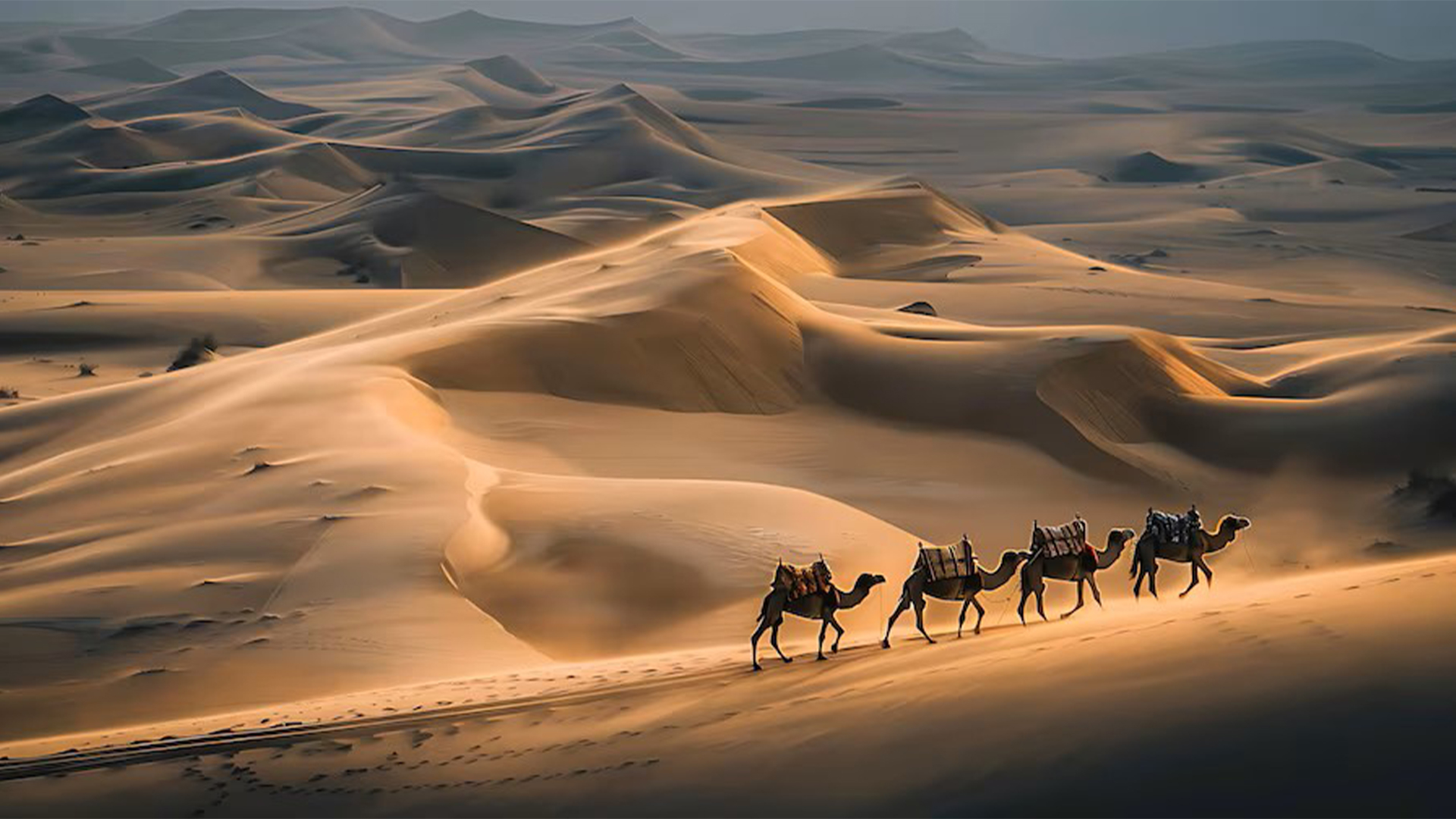
Camel trekking is one of the most iconic ways to explore the Sahara. Riding across the dunes at a slow, rhythmic pace allows travelers to experience the desert much like ancient caravans once did. This journey offers time for reflection and appreciation of the surrounding silence and beauty.
Camel treks often take place during sunrise or sunset, when the desert light is at its most dramatic. Guides lead travelers through dunes to remote camps or scenic viewpoints, sharing insights about desert life along the way. This experience connects visitors to centuries-old traditions that remain alive in the Moroccan desert today.
Best Time to Visit the Moroccan Desert
The ideal time to visit the Moroccan desert is during spring (March to May) and autumn (September to November). During these months, temperatures are more comfortable, allowing travelers to explore without extreme heat. Days are warm, and nights are cool, creating ideal conditions for desert activities.
Summer months can be extremely hot, with daytime temperatures exceeding safe limits, while winter nights can be surprisingly cold. Planning your trip carefully ensures a safer and more enjoyable desert experience. Understanding seasonal conditions is essential when exploring the best places to visit in the Moroccan desert.
Cultural Encounters in the Desert
Beyond landscapes, the Moroccan desert is rich in culture and human connection. Berber and nomadic communities have lived in harmony with the desert for generations, preserving music, storytelling, and traditional lifestyles. Visiting these communities offers insight into resilience, hospitality, and deep respect for nature.
Sharing tea, listening to desert music, and learning about daily life creates meaningful exchanges between travelers and locals. These moments often leave a lasting impression, reminding visitors that the desert is not empty—it is alive with history, tradition, and spirit.
Conclusion: Why the Moroccan Desert Is Unforgettable
The Moroccan desert is a place of profound beauty and deep meaning. Its vast landscapes, golden dunes, and silent nights create an atmosphere unlike anywhere else in the world. From the iconic dunes of Erg Chebbi to the remote wilderness of Erg Chigaga, each destination offers a unique perspective on the Sahara.
Exploring the best places to visit in the Moroccan desert is about more than sightseeing—it is about slowing down, reconnecting with nature, and discovering a timeless way of life. Whether through camel trekking, desert camps, or cultural encounters, the Moroccan desert leaves travelers with memories that last a lifetime.