

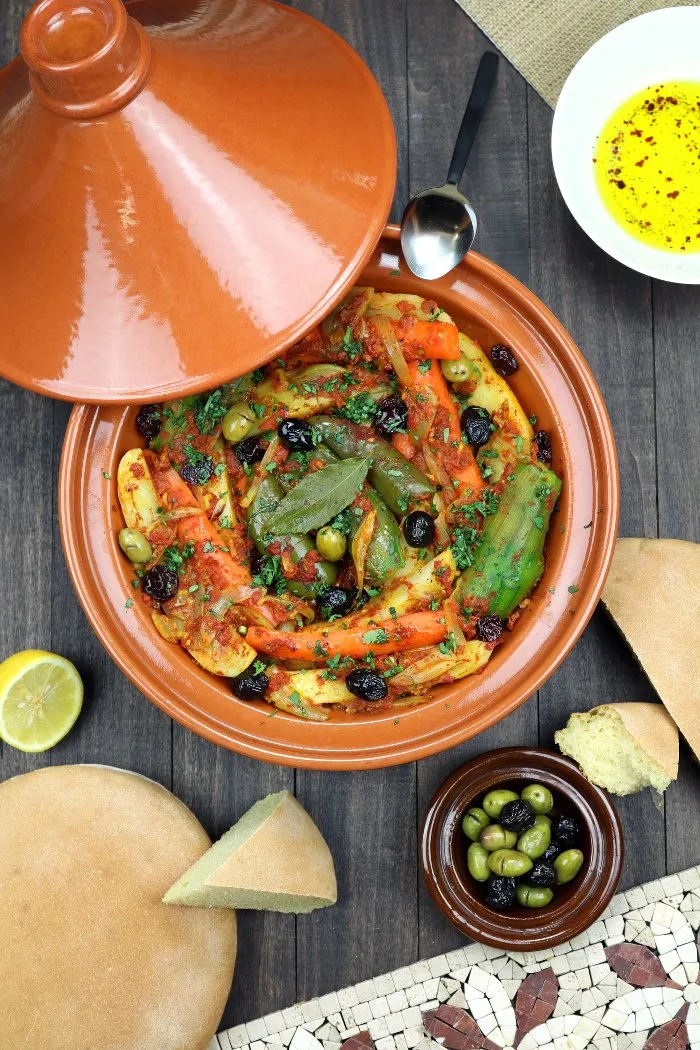
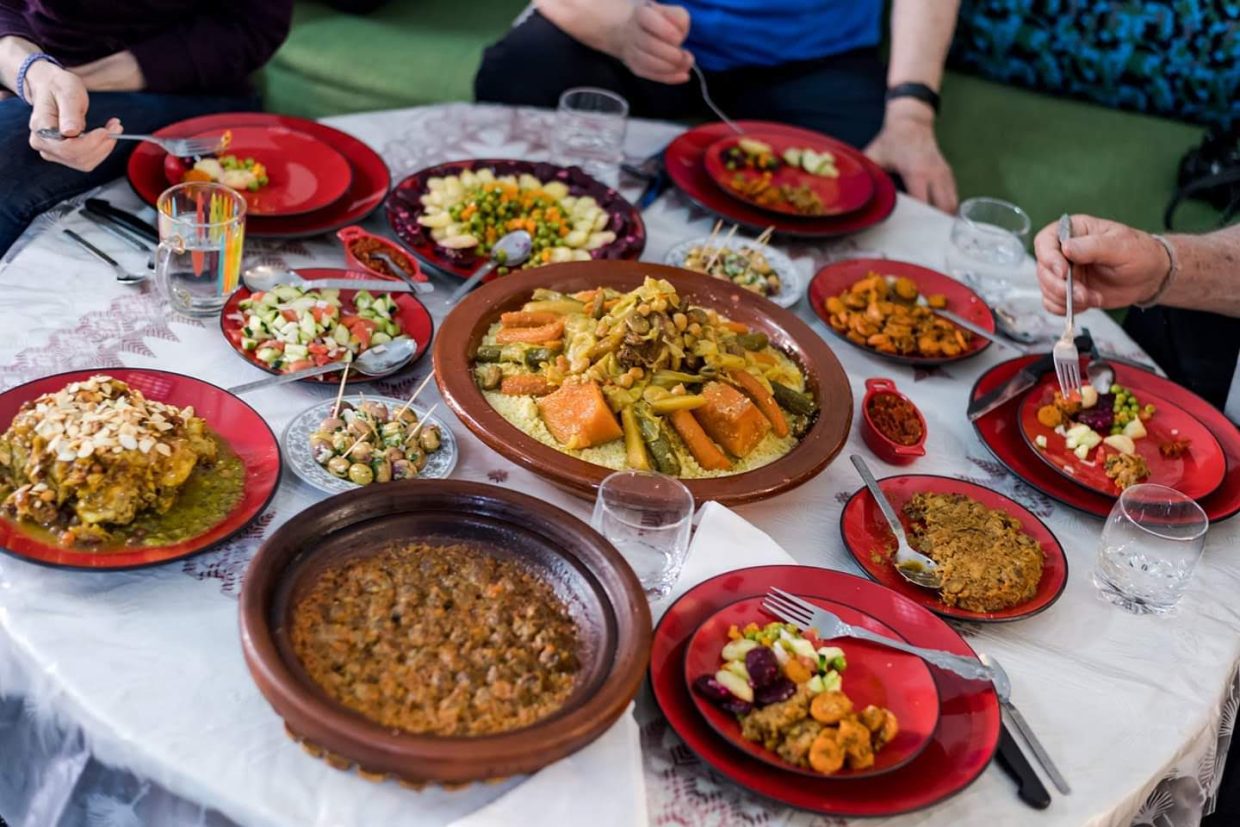
 Moroccan cuisine is a vibrant tapestry of flavors, aromas, and colors that reflects the country’s rich history and diverse cultural influences. Nestled in North Africa, Morocco’s culinary traditions are shaped by Berber, Arab, Andalusian, and Mediterranean cultures, resulting in dishes that are both complex and harmonious. Each plate tells a story, blending fresh, seasonal ingredients with aromatic spices and centuries-old cooking techniques. From bustling street markets to elegant riads, Moroccan food offers an unforgettable sensory journey.
What makes Moroccan cuisine truly remarkable is the balance of flavor, texture, and presentation. Dishes are carefully seasoned with Moroccan spices such as cinnamon, saffron, cumin, turmeric, and paprika, creating a rich depth that delights the palate. Meals are more than just food—they are a cultural experience that emphasizes hospitality, community, and celebration. Travelers exploring Morocco often combine culinary experiences with Customized Morocco Tours to fully immerse themselves in the country’s gastronomy and culture.
The Historical Roots of Moroccan Cuisine
The foundations of Moroccan food are deeply intertwined with the country’s history. Influences from the Berbers, Arabs, Moors, and Europeans have created a cuisine that is as diverse as Morocco itself. Ancient trade routes brought spices from Asia and Africa, while Mediterranean influences introduced olive oil, citrus, and fresh herbs. These elements combined to create the aromatic and colorful dishes Morocco is known for today.
Over time, Moroccan cooking evolved into a sophisticated art. Royal courts and imperial cities developed refined recipes using slow-cooked stews, marinated meats, and layered flavors. This historical depth is what travelers experience during Imperial Cities Tours, where food and history intersect. Sampling local dishes in these cities allows visitors to taste centuries of cultural exchange in every bite.
Staples of Moroccan Cooking
At the heart of Moroccan cuisine are staple ingredients that appear in almost every meal. Couscous, a fluffy semolina pasta, is one of the most iconic Moroccan foods. Traditionally steamed and served with vegetables, meat, or a richly spiced sauce, couscous is more than just a dish—it’s a symbol of family gatherings and celebration.
Other key ingredients include preserved lemons, olives, fresh herbs like cilantro and parsley, legumes such as chickpeas and lentils, and a wide array of Moroccan spices. These staples form the base of traditional Moroccan dishes, creating balance and depth while reflecting the seasonal and regional diversity of Morocco. Visitors on Marrakech Day Trips can often see these ingredients used firsthand in bustling markets or cooking demonstrations.
Tagine: Morocco’s Iconic Slow-Cooked Dish
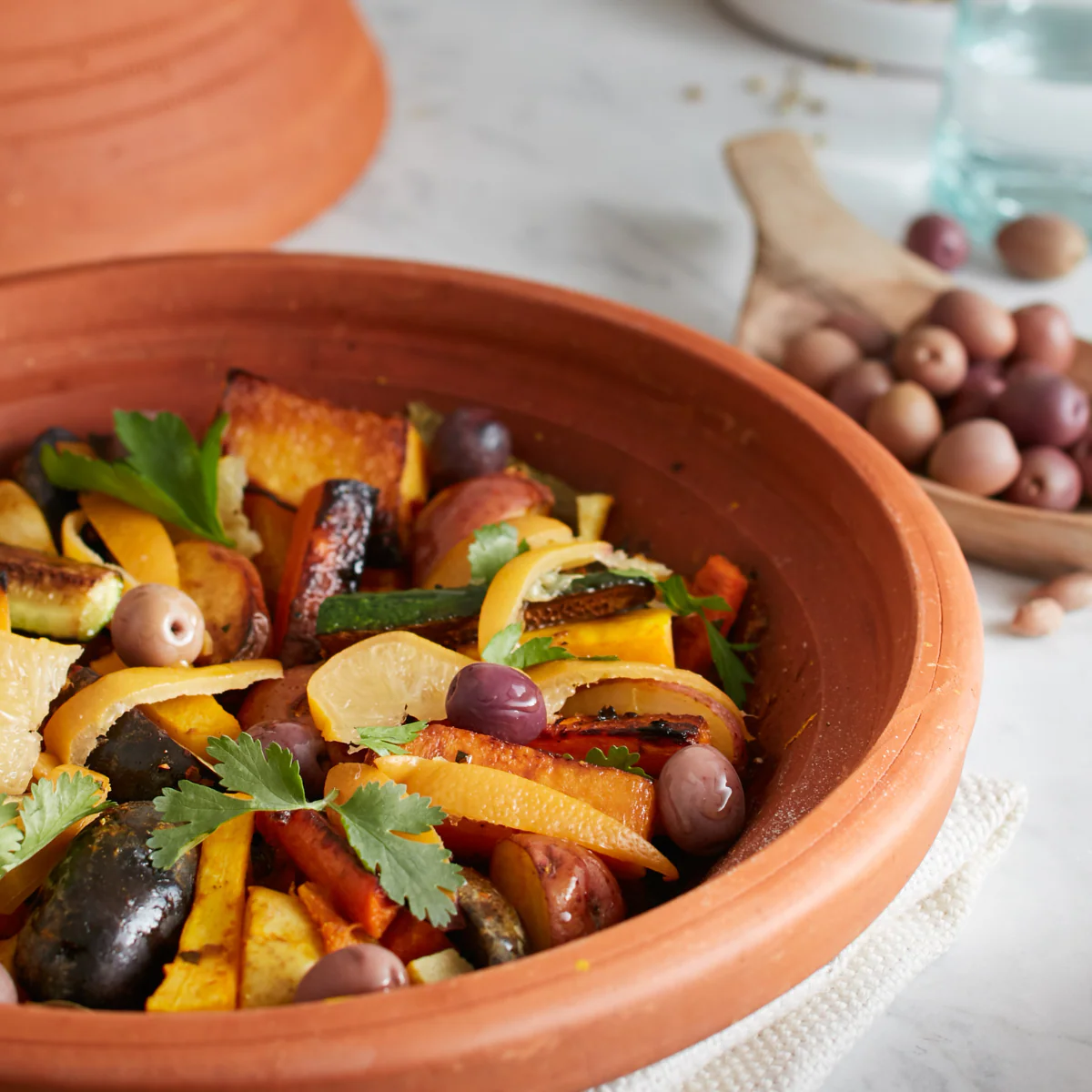
A tagine is both a traditional conical clay cooking vessel and the rich, slow-cooked stew prepared inside it. Tagines can include chicken, lamb, beef, or vegetables, often paired with dried fruits, nuts, and aromatic spices. The slow-cooking method allows the flavors to meld while keeping ingredients tender and juicy.
Sharing a tagine is a communal experience, often served with fresh bread or couscous. Many travelers on Atlas Mountains Tours or Berber Village Visits experience preparing tagines alongside locals, learning traditional techniques and the cultural significance behind the dish. These experiences highlight the combination of taste, tradition, and hospitality that defines Moroccan dining.
Traditional Moroccan Chicken Tagine with Preserved Lemon and Olives (Recipe):
Ingredients: 1 whole chicken (cut into pieces), 2 preserved lemons, 100g green olives, 1 onion, 3 garlic cloves, 1 tsp ginger, 1 tsp turmeric, 1 tsp cinnamon, salt, pepper, olive oil, fresh cilantro.
Instructions:
Heat olive oil in a tagine or heavy pan and sauté onions and garlic.
Brown chicken pieces on all sides.
Add spices, sliced preserved lemons, and olives.
Cover and cook on low heat for 1.5 hours.
Garnish with cilantro and serve with couscous.
Couscous: A Symbol of Celebration
Couscous is more than just a staple; it embodies Moroccan hospitality and cultural traditions. Traditionally served on Fridays, religious holidays, and family gatherings, couscous’s light, fluffy grains pair beautifully with meats, vegetables, and rich sauces.
Regional variations add depth to this dish. In northern Morocco, couscous is typically served with vegetable stews, while southern recipes may include meats, dried fruits, or a spicier flavor profile. Culinary enthusiasts often encounter these variations on Cultural Tours Morocco, learning not only how dishes are prepared but also their significance in Moroccan life.
Vegetable Couscous (Recipe):
Ingredients: 500g couscous, 2 carrots, 2 zucchinis, 1 pumpkin, 1 can chickpeas, 1 onion, 1 tsp cumin, 1 tsp cinnamon, olive oil, salt, pepper.
Instructions:
Steam couscous according to package directions.
Sauté vegetables with olive oil and Moroccan spices.
Add chickpeas and simmer until tender.
Serve vegetable stew over couscous.
Spices: The Soul of Moroccan Flavors
Spices are the heart of Moroccan cuisine, giving it warmth, depth, and complexity. Blends such as ras el hanout, which can contain up to 30 different spices, are used in stews, tagines, and grilled meats. Saffron, cumin, paprika, cinnamon, turmeric, and ginger each play a vital role in shaping flavor profiles.
Many travelers on Berber Village Visits or Marrakech Medina Exploration tours witness firsthand how spices are sourced, blended, and incorporated into everyday meals. Understanding Moroccan spices is essential to appreciating traditional Moroccan dishes, where balance and layering create the unforgettable flavors Morocco is known for.
Moroccan Street Food
Moroccan street food is an essential part of experiencing the country’s culinary culture. In cities such as Marrakech and Fes, bustling markets are filled with snacks like briouats—crispy pastries filled with meat or cheese—and sfenj, a type of fried dough. Street food offers a casual, authentic taste of Moroccan daily life.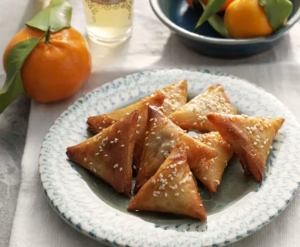

Mint tea, known as “Moroccan whiskey,” is a fragrant accompaniment. Sharing tea on the streets or in homes reflects the warmth and hospitality at the heart of Moroccan culture. Tourists on Marrakech Day Trips often explore these markets with local guides, learning about ingredients, cooking techniques, and local customs.
Briouats Recipe:
Ingredients: Wonton wrappers or warqa dough, 250g minced meat, 1 onion, 1 tsp cinnamon, 50g almonds (optional), olive oil, honey.
Instructions:
Cook meat and spices, let cool.
Fill wrappers, fold, and fry until golden.
Optionally drizzle with honey and sprinkle sesame seeds.
Moroccan Salads and Appetizers
Moroccan appetizers are vibrant, colorful, and bursting with flavor. Salads often feature ingredients like tomatoes, bell peppers, carrots, and olives, lightly dressed with olive oil, lemon juice, and aromatic Moroccan spices. A popular example is zaalouk, a smoky eggplant and tomato salad seasoned with garlic, paprika, and cumin. These dishes showcase the freshness of Moroccan ingredients while balancing bold flavors.
Soups such as harira, made with lentils, chickpeas, tomatoes, and a blend of herbs and spices, are particularly popular during Ramadan. Travelers on Cultural Tours Morocco often get to sample these appetizers at local homes or traditional restaurants, learning not just the recipes but the stories and rituals that surround them. These early dishes set the stage for the rich and layered flavors of main courses.
Zaalouk Recipe:
Ingredients: 2 large eggplants, 3 tomatoes, 2 garlic cloves, 1 tsp paprika, 1 tsp cumin, olive oil, salt.
Instructions:
Roast or grill eggplants, peel, and mash.
Cook tomatoes, garlic, and spices in olive oil.
Mix eggplants and tomatoes, simmer for 10 minutes, and serve warm.
Sweets and Pastries: A Moroccan Delight
Moroccan desserts are a fascinating blend of nuts, honey, and spices. Chebakia, sesame-coated pastries fried and soaked in honey, is especially popular during Ramadan and festive occasions. Another traditional favorite is kaab el ghazal, almond-filled pastries shaped like gazelle horns, which showcase both artistry and culinary finesse.
Honey, dates, and almonds are key ingredients in Moroccan sweets, offering a natural sweetness that contrasts with the bold flavors of savory dishes. Travelers on Marrakech to Fes Tours often experience these desserts firsthand, visiting patisseries and home kitchens to see how they are made. Sampling pastries alongside locals provides insight into Morocco’s rich culinary heritage.
Moroccan Beverages Beyond Mint Tea
While mint tea is synonymous with Moroccan culture, the country offers a variety of beverages to complement its cuisine. Freshly squeezed orange juice, often lightly spiced with cinnamon, is a market favorite. Almond milk and khlii, a preserved meat-infused drink, reflect regional diversity and traditional preservation methods.
Coffee culture is also prominent, influenced by French colonization. Strong espresso is enjoyed alongside pastries or light snacks. Travelers on Marrakech Medina Exploration tours often have the chance to savor these drinks in local cafés, enhancing their culinary journey and understanding of Moroccan daily life. Mint tea remains a ritualistic beverage, symbolizing hospitality, friendship, and the rhythm of Moroccan social gatherings.
Culinary Traditions and Dining Etiquette
Dining in Morocco is deeply rooted in social and cultural traditions. Meals are communal, often served on large platters shared among family or guests. Bread is used as both utensil and accompaniment, reflecting centuries-old dining customs. Understanding these practices enriches the experience for visitors on Customized Morocco Tours, providing context to the flavors and dishes they enjoy.
Hospitality is central to Moroccan culture. Guests are welcomed warmly, often with elaborate spreads of food and drink. This generosity is not just about eating; it’s a ritual that reflects respect, community, and connection. Experiencing Moroccan meals in this traditional way transforms dining into a cultural immersion.
Regional Variations in Moroccan Cuisine
Moroccan cuisine varies widely across regions, influenced by geography, climate, and local resources. Coastal cities such as Essaouira feature seafood-rich dishes with Mediterranean flavors, while the Atlas Mountains offer hearty stews, grilled meats, and tagines suitable for cooler climates. The Sahara region incorporates dates, camel meat, and preserved ingredients suited to desert life.
Exploring these regional specialties is a highlight of Atlas Mountains Tours, Berber Village Visits, and Imperial Cities Tours. Visitors can experience firsthand how ingredients, preparation methods, and traditional techniques differ across Morocco, gaining a deeper appreciation for the country’s culinary diversity.
Cooking Moroccan Food at Home
Preparing Moroccan dishes at home requires care, attention to detail, and an understanding of flavors. Essential tools include a tagine, a couscous steamer, and a mortar and pestle for grinding spices. Cooking at home allows enthusiasts to recreate authentic Moroccan dishes while embracing the slow-cooking techniques and balanced flavors that define the cuisine.
Home cooking also emphasizes hospitality. Sharing a homemade tagine or freshly prepared couscous reflects Moroccan values of family, generosity, and cultural connection. Travelers who have joined Marrakech Day Trips or cooking classes often bring these recipes and techniques back home, keeping Moroccan culinary traditions alive in their own kitchens.
Modern Moroccan Cuisine and Fusion
Contemporary Moroccan chefs are blending traditional flavors with global culinary trends. Moroccan spices now appear in fusion dishes such as tacos, gourmet burgers, and vegetarian creations, while traditional techniques are applied in innovative ways. This modernization maintains the essence of Moroccan cuisine while appealing to global palates.
Tours such as Cultural Tours Morocco and Marrakech to Fes Tours sometimes include visits to modern restaurants or culinary workshops. Here, travelers witness how Moroccan cuisine evolves without losing its identity, demonstrating the adaptability and enduring appeal of the country’s culinary heritage.
Conclusion: A Culinary Journey Worth Savoring
Moroccan cuisine is more than food—it is an immersive experience that tells the story of a nation. From tagines to couscous, pastries to mint tea, each dish reflects history, tradition, and hospitality. Travelers on Customized Morocco Tours, Marrakech Day Trips, Atlas Mountains Tours, Cultural Tours Morocco, Marrakech Medina Exploration, Berber Village Visits, Imperial Cities Tours, or Marrakech to Fes Tours can explore the full spectrum of Morocco’s culinary and cultural richness.
Exploring Morocco through its cuisine invites visitors to engage all their senses. Each meal becomes a journey, connecting history, geography, and community. Moroccan food is a celebration of flavor, creativity, and tradition—an experience that lingers long after the last bite.